10 Indonesian Flowers Vocabulary
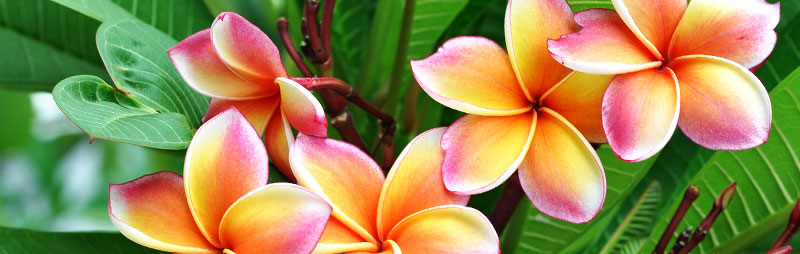
Famous for its vast varieties of flora, Indonesia is a home to countless number of exotic tropical flowers. From the unique smell of the corpse flower to the alluring fragrance of jasmine, there are so many features of Indonesian flowers that you can explore. Some of the flowers are also used to symbolize certain area in Indonesia, even one also chosen to be a national symbol of the country.
1. Mawar (Rose)
Roses were brought to Indonesia by the Chinese merchants in the old times. Originally, this plant lived in the mainland of China, Middle East, and Eastern part of Europe, then due to its popularity, roses are widely spread to the subtropical and tropical country like Indonesia. The family of Rosaceae comes with various colors. The most classically popular one is the red rose, symbolizing courage and love.
2. Melati (Jasmine)
Known for its modest beauty and alluring fragrant, white jasmine (Jasminum Sambac) has been chosen as the national flower of Indonesia. In the country, Jasmine is thought as the symbol purity, splendor, modesty, sincerity, beauty, and simplicity. Other than being part of a wedding, jasmine is widely used within the communities of Indonesia in numerous religious and traditional practise.
3. Kamboja (Frangipani)
The use of frangipani in the daily life of Indonesian people is inseparable. Symbolizing true loyalty and devotion, the flower is commonly used for decoration and even become part of traditional wedding. In spiritual and religious practise, frangipani particularly reflects the purity of the heart in praising God, gods and godess, as well as to the spiritual beings and ancestors.
4. Kembang Sepatu (Hibiscus)
In many cultures, hibiscus flowers are depicted as beautiful flowers rich with feminine energy. Even in the norh part of America, hisbiscus is associated to the perfectly beautiful wife or woman. As if it is gaining a contradiction, hibiscus in the life of the Balinese people representing masculinity, especially the red one. Men often use the red hibiscus (particularly the small one), to complete their traditional look, pinned on the headpiece or on the pocket of their shirt. The Balinese even have a special way to call this little red hibiscus: ‘pucuk rejuna’, refering to the beauty of Arjuna (arjun) from the epic story of Mahabharata.
5. Kembang Kertas (Bougenvillea)
Bougenvillea is famous for its year-round beauty, and its resilience to hot and dry weather, tipically grown in the area with tropical climate. In Javanese culture, bougenvillea is believed to bring bad luck in romantic love-relationship. However, it is also believed as a symbol of eternal love from the parents to their children. Within the Chinese-born family, having bougenvillea planted in the yard could invite good luck and blessings to the house.
6. Soka (Ixora)
Its beautiful name is derrived from a Sanskrit word means “freedom from sorrow”. In the western countries, the flowers of ixora is called the flame of the woods as its small flowers pop out in bright colors among their green leaves. Ixora plants live well on the land of tropical climate. Apart from its function in beautifying your front yard garden, ixora plants are also well known for its various benefits in traditional medical practice.
7. Anggrek (Orchid)
Widely diversed and spread in the world, the plant family of orchidaceae has been admired and collected by many flower lovers. A pot of orchid flower plant, especially the rare one, may worth hundreds thousands of rupiah, if not millions. Their flowers symbolize elegance, power, and beauty. Moon orchid, or in Indonesian called: “anggrek bulan”, is one of the most famous species of orchid in Indonesia, nationally acclaimed as the flower of charm.
8. Sakura (Cherry Blossom)
This famous Japanese flower is known for its symbol of beauty and highly valued morality. By the people of Japan, cherry blossom is deeply honored, and hurting or picking its flowers and twigs are considered as disrespectful action. The Japanese people also spend special time with family and friends having a picnic under the trees of cherry blossoms during its blooming season. In Indonesia, though the plant is famously known, they can only be found in certain area.
9. Bunga Padma Raksasa (Raflessia)
The stinky corpse lily was discovered within the period 1700-1800 in several areas in Indonesia archipelago by international naturalists. One of the most famous discoveries was made by Thomas Stamford Raffles, former Governor-General of the Dutch East Indies, in the deep rain forest of Bengkulu, Sumatra, in the year of 1818. Nowadays, along with the shrinking number of Indonesian rain forest, this rare flowers become extinct.
10. Teratai (Water Lilly)
The use of teratai or water lilies is mainly with the Hindu and Buddhist society send a number of meaningful messages. Growing in the muddy water while spreading its wide leaves and pretty flowers on the water surface, the water lily’s beauty never fades. Depending on its colors, the flowers of water lily may have different meanings, though everyone seems agree that water lily symbolizes bravery, compassion, and enlightenment.
What is our favorite flower and do you know how to say it in Bahasa Indonesia? Share what the flowers means for you and why does it special for you. (dian)